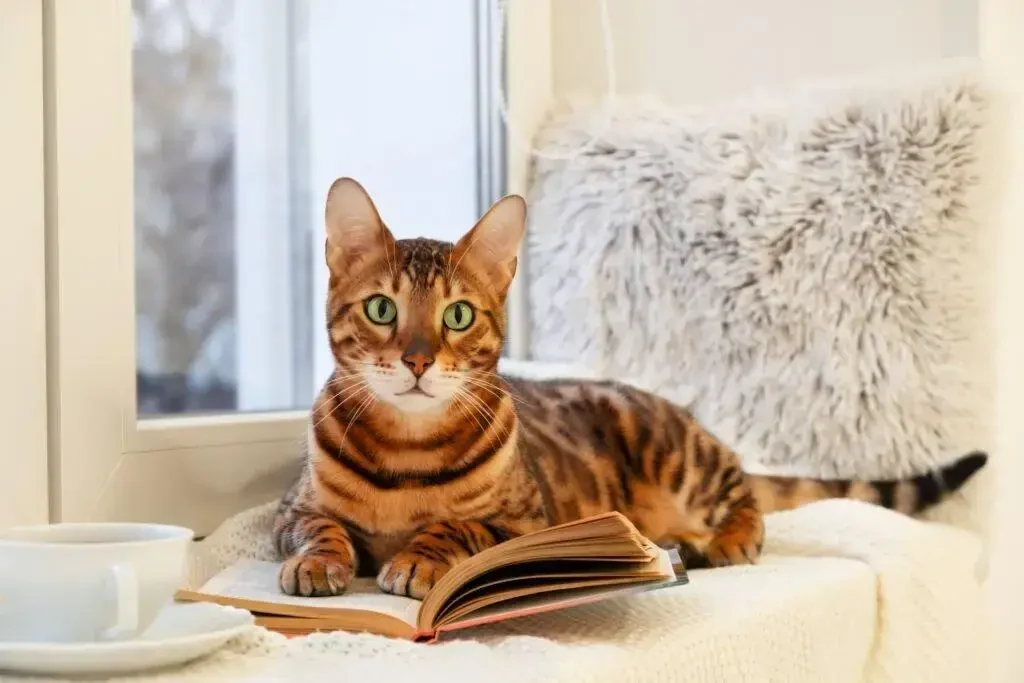
Living with a Bengal: personality, play and companionship
A Bengal can be a wonderfully involved companion. The best match starts with realistic expectations and the individual kitten in front of you.
Affection can look different from cat to cat
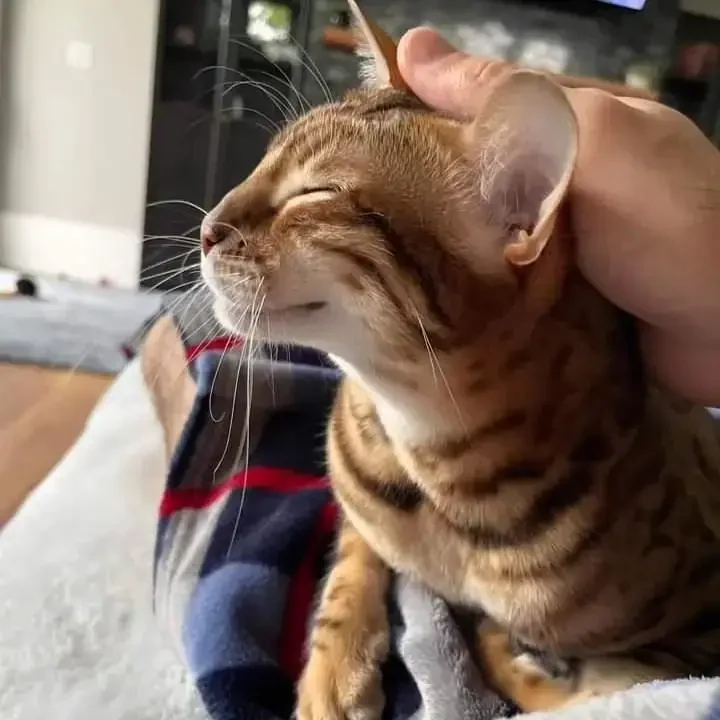
Some Bengals follow their people into every room, settle beside them or bring a toy into the conversation. Others enjoy company without wanting to be picked up. A cat choosing to sit nearby is sharing its time with you; affection does not have to mean being held.
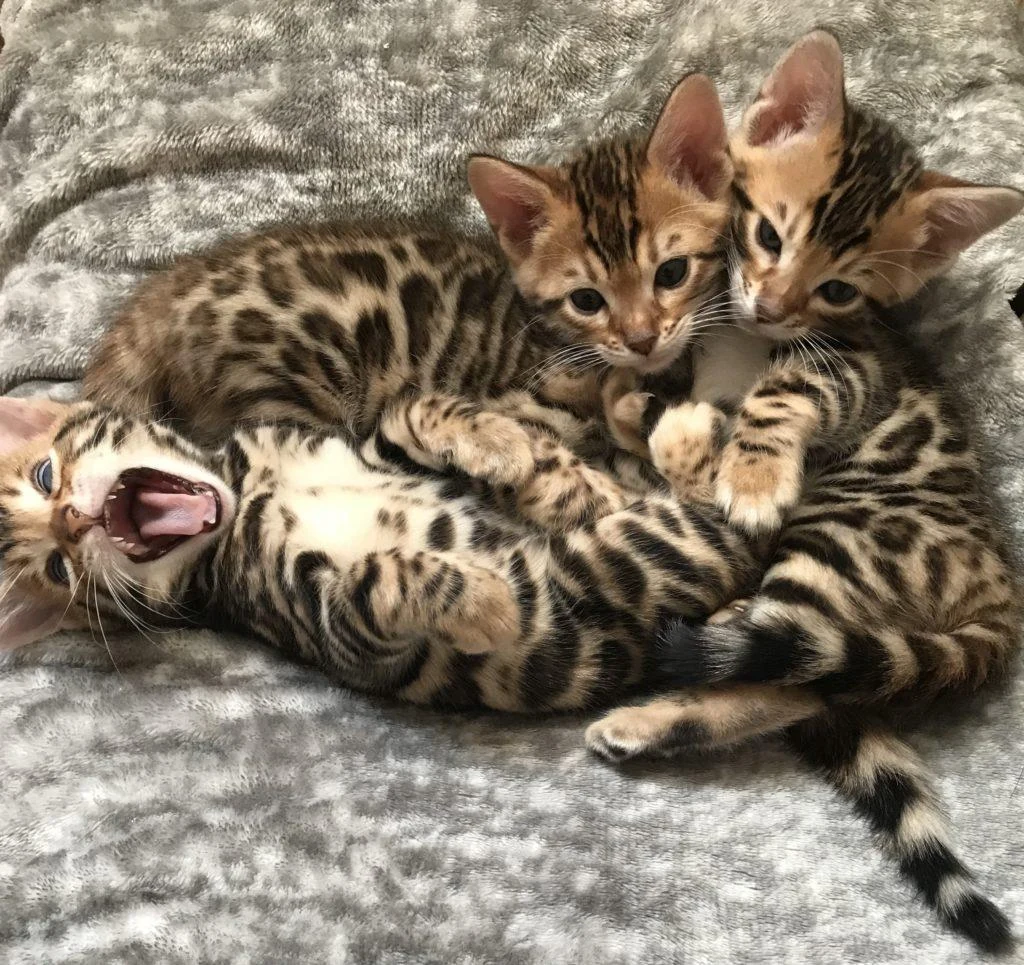
Our kittens grow up in our home with people, other cats and two large dogs. That experience helps us get to know their personalities. It does not make every kitten equally outgoing or guarantee instant friendship with a new pet.
The appealing parts — and the work behind them
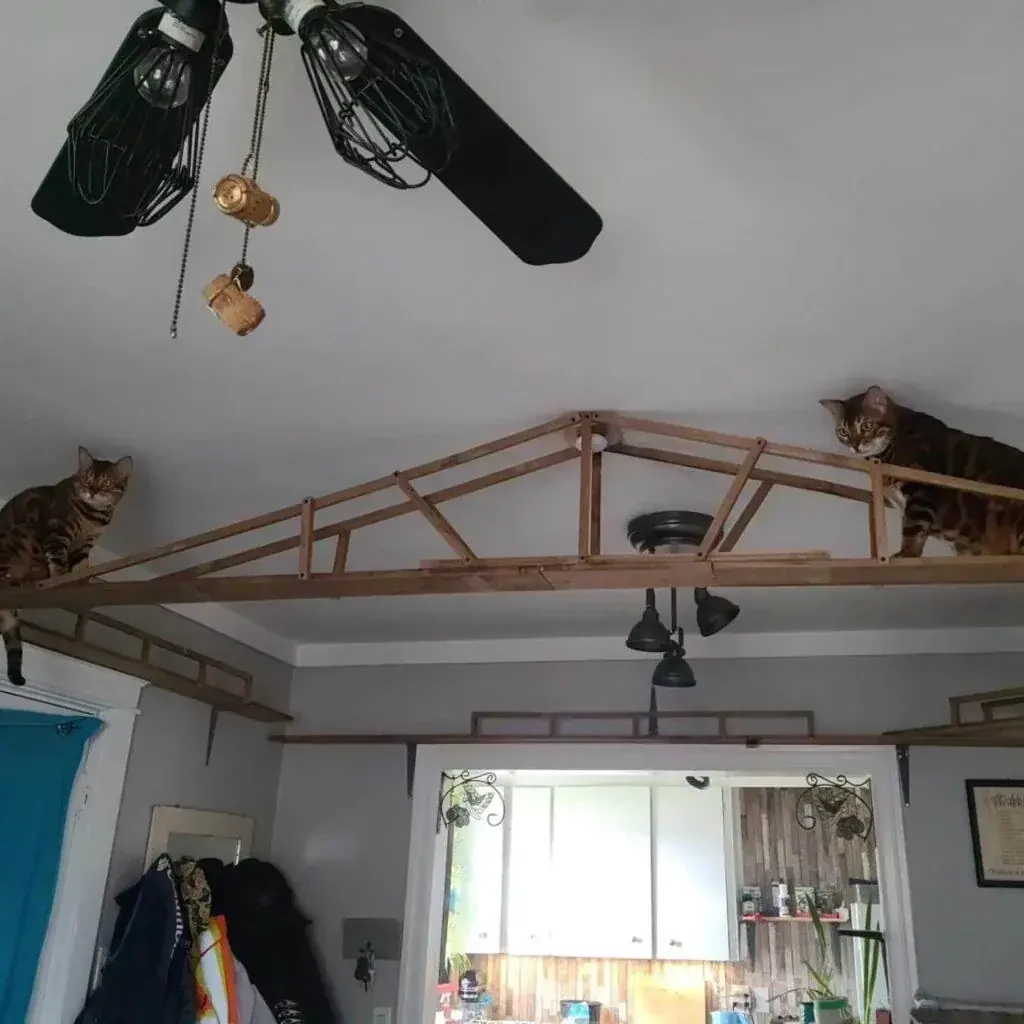
Curiosity makes life with a Bengal entertaining. It also means providing safe climbing space, appropriate scratching surfaces and chances to explore. Intelligence can make training rewarding, but it can also lead to an investigation of cupboards and doors.
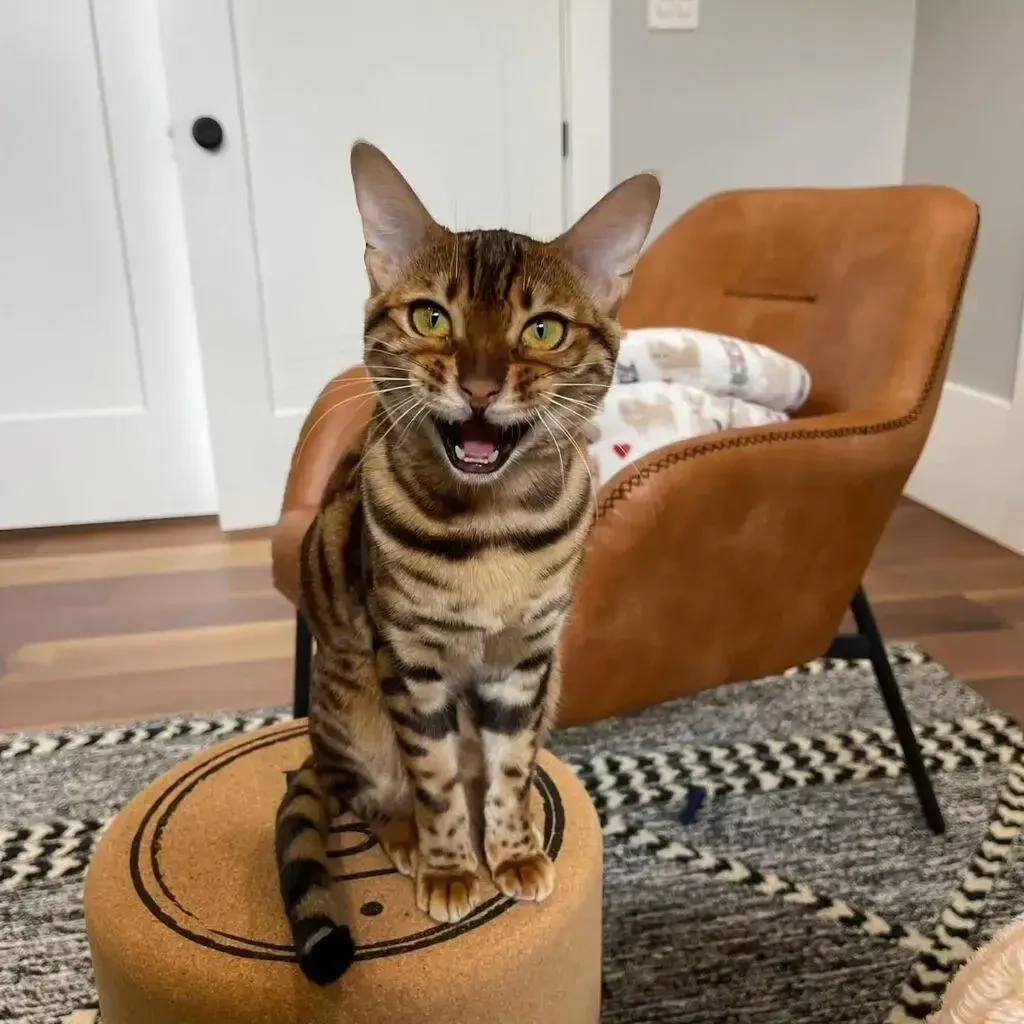
Many Bengals enjoy interactive play and being involved in the household. Some are vocal. If you want a companion who stays quietly in the background all day, consider whether an active Bengal fits your routine. Daily time together matters more than buying a large pile of toys.
Water, walks and travel are individual preferences
Some Bengals investigate dripping taps; others prefer dry paws. Never assume a cat wants to swim. Similarly, outdoor walks start with gradual harness training and a secure leash, rather than taking an unprepared kitten outside.
Some of our graduates travel, visit parks and go camping with their families. Start small, watch the individual cat’s reaction and provide a secure carrier and a familiar retreat. Travel documents and preventive care should be discussed with your veterinarian.
Children, dogs and smaller animals
Gentle handling and a choice to step away help a cat feel safe around children. Being sociable does not mean a cat should tolerate rough treatment. Supervise introductions and teach children to recognise when the cat wants a break.
Our kittens’ experience with dogs is a useful starting point. New introductions still need patience and separation when unsupervised. A cat’s hunting instincts also mean that rabbits, rodents and other small pets require secure protection; friendliness with a dog is not a guarantee of safety for smaller animals.
Can a cat make everyday life feel better?
Many families tell us their Bengal brings companionship, humour and a reason to pause during a busy day. Those experiences matter. They are different from claiming that a cat cures an illness, strengthens bones by a particular percentage or replaces medical treatment.
Our graduates include companions to people with disabilities and cats involved in support programs. We do not promise therapeutic outcomes or describe every Bengal as a trained assistance animal.
Give curiosity something useful to do
Build an interesting indoor routine and try beginner clicker training. Short, positive sessions let you learn together. Meet our available Bengal kittens · Contact our family